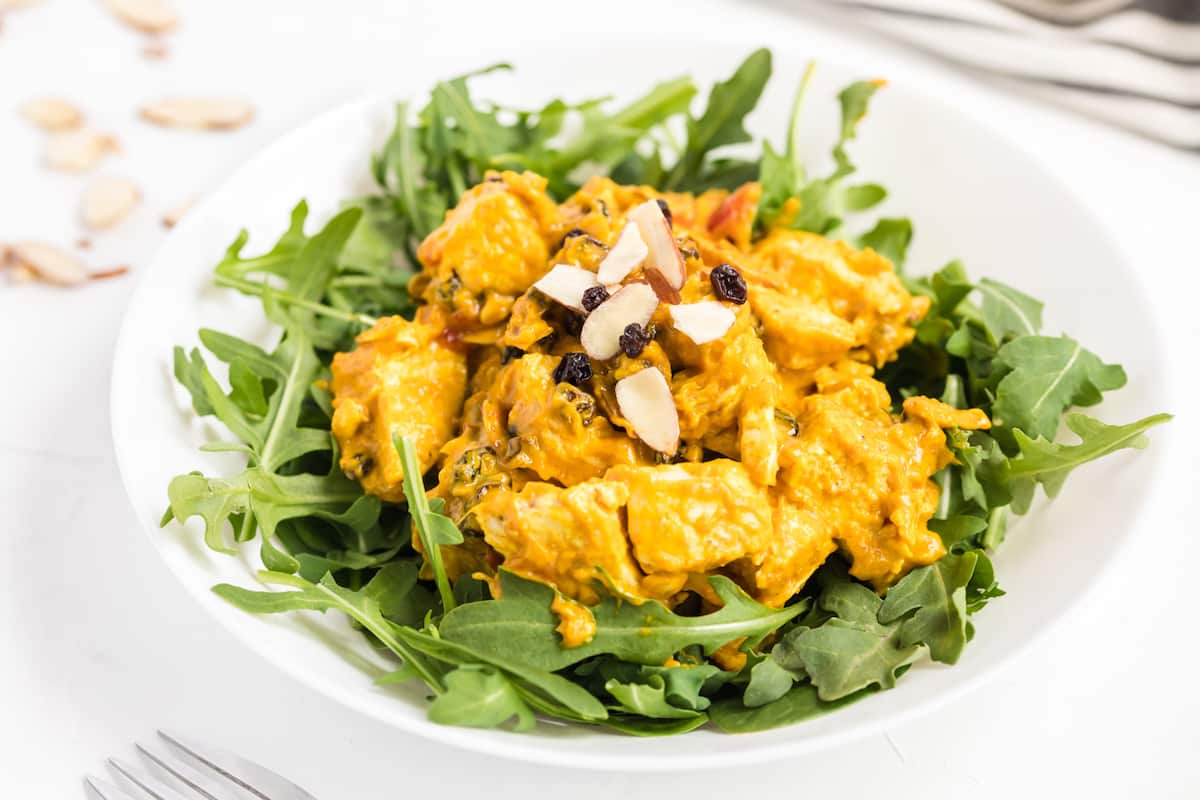
Have you ever found yourself wandering the aisles of Whole Foods, only to be irresistibly drawn to their deli section, specifically by the allure of their creamy, flavorful curried chicken salad? It’s a delightful indulgence, a symphony of sweet, savory, and spicy notes that, once tasted, becomes an unforgettable favorite. For many, it's a "guilty pleasure," a treat reserved for special occasions or when the craving simply cannot be denied. But what if you could recreate that magic at home, not only making it healthier but also significantly cheaper? It’s entirely possible, and frankly, once you try your homemade version, you might never go back to the store-bought kind.
This article will guide you through crafting a copycat Whole Foods curried chicken salad that captures all the deliciousness you love, with the added benefits of quality control and cost savings. Prepare to embark on a love affair with this dish that will elevate your lunch game, simplify your meal prep, and satisfy those cravings in the most delicious way possible.
Why Homemade Curried Chicken Salad Is Always Better: Healthier & Cheaper
The appeal of making your own curried chicken salad extends far beyond just convenience. While that deli container might seem like a quick fix, whipping up a batch at home offers undeniable advantages in terms of both health and your wallet. It's no secret that store-bought prepared foods often come with a hidden cost, not just in dollars but in ingredients that may not align with your dietary goals.
Reclaim Your Health with Custom Ingredients
One of the primary benefits of a homemade curried chicken salad is the complete control you gain over the ingredients. Store-bought versions, even from health-conscious stores, can often contain excessive amounts of sodium, sugar, and unhealthy fats. When you make it yourself, you can:
- Choose Your Mayonnaise: Opt for a high-quality mayonnaise made with avocado oil or olive oil, or even lighten it up by blending in some Greek yogurt for a protein boost and tang. This drastically reduces the amount of unhealthy fats often found in conventional mayonnaise.
- Control Sugar Content: Many chutneys, while delicious, are packed with added sugars. By selecting a low-sugar variety or even making your own, you can significantly cut down on unnecessary sweetness.
- Manage Sodium: Processed deli items are notorious for high sodium levels. At home, you season to taste, ensuring a flavorful result without the hidden salt.
- Freshness Factor: You're using the freshest possible chicken and vegetables, free from preservatives and additives.
Save Your Pennies: The Cost-Effective Choice
Let's be honest, those Whole Foods deli containers can add up quickly. A single serving can easily cost as much, if not more, than the ingredients required to make an entire batch at home. Consider these savings:
- Bulk Buying Power: Chicken breasts can be purchased in larger quantities when on sale, cooked, and then used for multiple meals.
- Pantry Staples: Ingredients like curry powder, mayonnaise, and celery are often staples you already have or can buy affordably.
- Meal Prep Efficiency: A single homemade batch of curried chicken salad can provide several servings for lunches throughout the week, making it an incredibly economical choice for meal prep. No more last-minute, expensive lunch purchases!
Making your own is a smart move for both your body and your budget, proving that delicious, high-quality food doesn't have to come with a premium price tag.
Deconstructing the Whole Foods Magic: Key Ingredients & Flavors
What makes a great curried chicken salad truly stand out? It's a delicate balance of textures and flavors – creamy, crunchy, sweet, savory, and with that distinctive warm spice from the curry. To replicate the Whole Foods experience, we need to understand the role each component plays.
The Foundation: Perfectly Cooked Chicken
The chicken is, naturally, the star. For the best flavor and texture, consider these options:
- Roasted Bone-In, Skin-On Chicken Breasts: As suggested by culinary icon Ina Garten, roasting chicken breasts with the bone and skin on imparts incredible flavor and keeps the meat incredibly moist. A simple rub with olive oil, salt, and pepper is all it takes before roasting at 350°F (175°C) until just cooked through (around 35-40 minutes). Once cooled, simply remove the meat from the bones, discard the skin, and dice into bite-sized pieces.
- Shredded Rotisserie Chicken: For ultimate convenience, a store-bought rotisserie chicken is your best friend. It’s already cooked, flavorful, and easy to shred or dice. This is a fantastic time-saver for a quick meal prep.
- Boiled or Baked Boneless, Skinless Chicken Breast: While slightly less flavorful than roasted bone-in, this is still a perfectly acceptable and healthy option. Just ensure you don't overcook it, as dry chicken is the enemy of a good chicken salad.
Whether you shred or dice your chicken is a matter of personal preference, both work beautifully!
The Heart of the Flavor: The Dressing
This is where the magic truly happens, elevating simple chicken into a gourmet delight. A good dressing is smooth, balanced, and vibrant.
- Quality Mayonnaise: A "good mayonnaise" like Hellmann's (as Ina Garten recommends) provides the essential creamy base. For a lighter touch, you can substitute a portion of the mayonnaise with plain Greek yogurt.
- Curry Powder: This is non-negotiable. The specific blend will dictate the flavor profile – mild, medium, or hot. Don't be shy; quality curry powder is key to that unmistakable aroma and taste.
- Chutney: This provides a crucial sweet and tangy counterpoint. Major Grey's chutney is a classic choice, offering fruity sweetness with a hint of spice. If you don't have it, a good quality mango chutney, apricot jam, or even a peach preserve can work in a pinch.
- Dry White Wine: A unique addition from Ina Garten’s recipe, a splash of dry white wine (like Sauvignon Blanc or Pinot Grigio) adds an underlying acidity and depth that brightens the entire dressing. It’s a subtle touch that makes a big difference.
- Seasoning: Kosher salt and freshly ground black pepper are essential to tie all the flavors together.
Textural Delights: Crunchy, Sweet, and Nutty Additions
Beyond the chicken and dressing, these elements provide contrast and enhance the overall experience:
- Crisp Celery: Medium-diced celery is a classic chicken salad ingredient, offering a refreshing crunch that perfectly contrasts the creamy dressing. Load it up for extra texture and freshness.
- Fresh Scallions: Both the white and green parts of chopped scallions (green onions) provide a mild oniony bite and a beautiful pop of color.
- Sweet Raisins: Golden or dark raisins add bursts of natural sweetness, complementing the curry flavor. Other options include dried cranberries or diced golden apples for a different kind of sweetness and crunch.
- Roasted Cashews: Whole roasted, salted cashews introduce a rich, buttery flavor and a satisfying crunch. They are often added just before serving to maintain their crispness. Almonds or pecans also make excellent alternatives.
By understanding these core components, you're well on your way to mastering a curried chicken salad recipe that rivals any gourmet deli.
Crafting Your Copycat Curried Chicken Salad: Step-by-Step & Tips
Now that we've explored the essential ingredients, let's put it all together to create your ultimate homemade curried chicken salad. This process is straightforward, allowing you to achieve that perfect balance of flavors and textures.
Step-by-Step Assembly:
- Prepare Your Chicken: Cook and cool your chicken according to your preferred method (roasting, rotisserie, or boiling). Once cooled, dice or shred the chicken into large bite-sized pieces. Place in a large mixing bowl.
- Whisk the Dressing: In a separate bowl (or food processor for extra smoothness, as Ina suggests), combine the mayonnaise, dry white wine, chutney, curry powder, and 1½ teaspoons of kosher salt. Process or whisk until the dressing is completely smooth and well-combined. Taste and adjust curry powder or salt if needed.
- Combine & Mix: Pour enough dressing over the prepared chicken to moisten it well. You might not need all of it, depending on your desired creaminess. Gently fold the chicken into the dressing until evenly coated.
- Add Veggies & Fruit: Stir in the medium-diced celery, chopped scallions, and raisins (or diced apple/cranberries). Mix well to distribute these additions throughout the chicken salad.
- Chill for Flavor Blending: This step is crucial! Cover the bowl and refrigerate the curried chicken salad for at least 2-3 hours. This allows the flavors to meld and deepen, resulting in a much more cohesive and delicious salad.
- Add Cashews & Serve: Just before serving, stir in the whole roasted, salted cashews. This ensures they remain crunchy. Serve at room temperature for the best flavor experience.
Expert Tips for the Best Results:
- Don't Overcook the Chicken: Dry chicken is the enemy of a good chicken salad. Aim for tender, juicy meat.
- Adjust Curry to Taste: Curry powders vary in intensity. Start with the suggested amount and add more if you prefer a stronger curry flavor.
- Taste as You Go: This is true for any recipe, but especially important here. Taste the dressing before adding it to the chicken, and then taste the finished salad before chilling to adjust seasoning.
- Patience with Chilling: While it's tempting to dig in immediately, the chilling time truly makes a difference in flavor development.
- Fresh is Best: While dried fruit works well, adding some fresh, crisp elements like finely diced red onion, bell peppers, or fresh cilantro can elevate the salad even further.
- Consider Your Mayo: If you're looking to lighten it up, try a half-mayonnaise, half-Greek yogurt blend. The yogurt adds a nice tang.
Serving Suggestions for Your Homemade Delight
The beauty of this homemade curried chicken salad lies in its versatility. Once you've created your masterpiece, there are countless ways to enjoy it, making it perfect for any meal or occasion:
- As Is: Simply enjoy it by the spoonful straight from the bowl! It's satisfying and delicious on its own.
- Light & Fresh: Serve a generous scoop atop a bed of crisp salad greens (like mixed greens, spinach, or arugula) or nestled in sturdy lettuce cups (butter lettuce or romaine hearts) for a light and refreshing meal.
- Classic Sandwich or Wrap: Pile it high on your favorite whole-grain bread, a toasted croissant, or wrap it in a tortilla or pita bread for a classic and filling lunch.
- Elevated Appetizer: Serve with whole-grain crackers, cucumber slices, or bell pepper strips for a healthy and impressive appetizer or snack.
- Creative Combos: Try stuffing it into hollowed-out avocado halves, scooped onto tomato slices, or even serving it with a side of fruit for a vibrant and balanced meal.
However you choose to enjoy it, this homemade curried chicken salad is sure to become a cherished addition to your recipe repertoire.
Conclusion
Say goodbye to those expensive deli containers and hello to your new favorite homemade treat! Recreating the beloved Whole Foods curried chicken salad at home is not only achievable but also incredibly rewarding. By choosing fresh ingredients, controlling the seasonings, and adding your personal touch, you’ll discover a healthier, more economical, and utterly delicious version that truly tastes better than anything you can buy. So, gather your ingredients, follow these steps, and prepare to indulge in a truly satisfying culinary experience that will have you saying goodbye to store-bought forever.
